Since MATLAB R2015b, there’s a new feature called repelem(V, dim1, dim2, ...) which repeats each element by dimX times over dimension X. If N (dim1) is scalar, each V is uniformly repeated by N times. If N is a vector, it has to be the same length as V and each element of N says how many times the corresponding element in V is repeated.
Here are some historical ways of doing it (as mentioned in MATLAB array manipulation tips)
The scalar case (repeat uniformly) can be emulated by a Kronecker product multiplying everything with 1 (self):
kron(V, ones(N,1))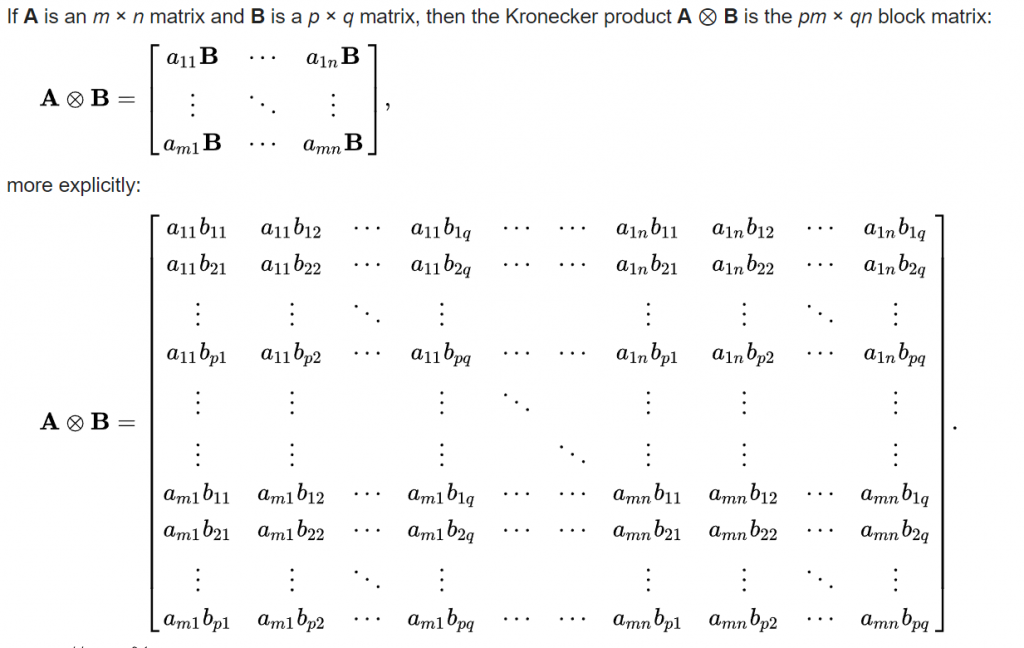
Kron method is conceptually smart but it has unnecessary arithmetic (multiply by 1). Nonetheless this method is reasonably fast until TMW finally developed a built-in function for it that outperforms all the tricks people have accumulated over decades.
The vector case (each element is repeated a different number of times according to vector N) is basically decoding Run-Length Encoding (RLE), aka counts to placements, which you can download maturely written programs on MATLAB File Exchange (FEX). There are a bunch of cumsum/diff/accumarray/reshape tricks but at the end of the day, they are RLE decoding in vectorized forms.
